
Indoor Air Quality Testing (IAQ) Lab Houston TX
AIHA LAP-accredited (LAP-101470) industrial hygiene testing laboratory for indoor air quality (IAQ) analysis at 10200 East Freeway, Houston TX 77029. EPA TO-15 GC-MS VOC analysis, NIOSH 2016 formaldehyde, airborne mold spore counts, and CO₂ ventilation assessments. LEED v4 IAQ certification, ASHRAE 62.1 compliance, and Sick Building Syndrome investigation support. Samples received before 2:00 PM CST logged same day.
Poor indoor air quality drives up absenteeism, decreases productivity, and invites legal liability
Sick Building Syndrome (SBS)
Occupants experiencing headaches, fatigue, and respiratory irritation often suffer from SBS linked to poor ventilation, mold, or VOCs. Indoor air quality testing identifies the exact chemical or biological culprits so remediation targets the root cause rather than symptoms.
Employee Productivity
Elevated CO₂ levels directly correlate with cognitive decline and reduced decision-making capability. Routine indoor air quality testing ensures HVAC systems are delivering adequate fresh air per ASHRAE 62.1 — typically maintaining CO₂ below 1,000–1,200 ppm above outdoor baseline.
Green Building Certifications
LEED v4, WELL, and Fitwel building standards require rigorous indoor air quality testing for specific VOCs, particulates, and formaldehyde before a building can be certified for occupancy. AGT Labs provides the EPA TO-15 and TO-11A analysis required for USGBC IAQ Assessment credits.
Liability & Tenant Complaints
Unresolved air quality complaints can lead to lease breaks, workers' compensation claims, and litigation. Accredited laboratory indoor air quality testing provides the defensible data needed to protect property owners — or to substantiate a claim when building systems are genuinely failing.
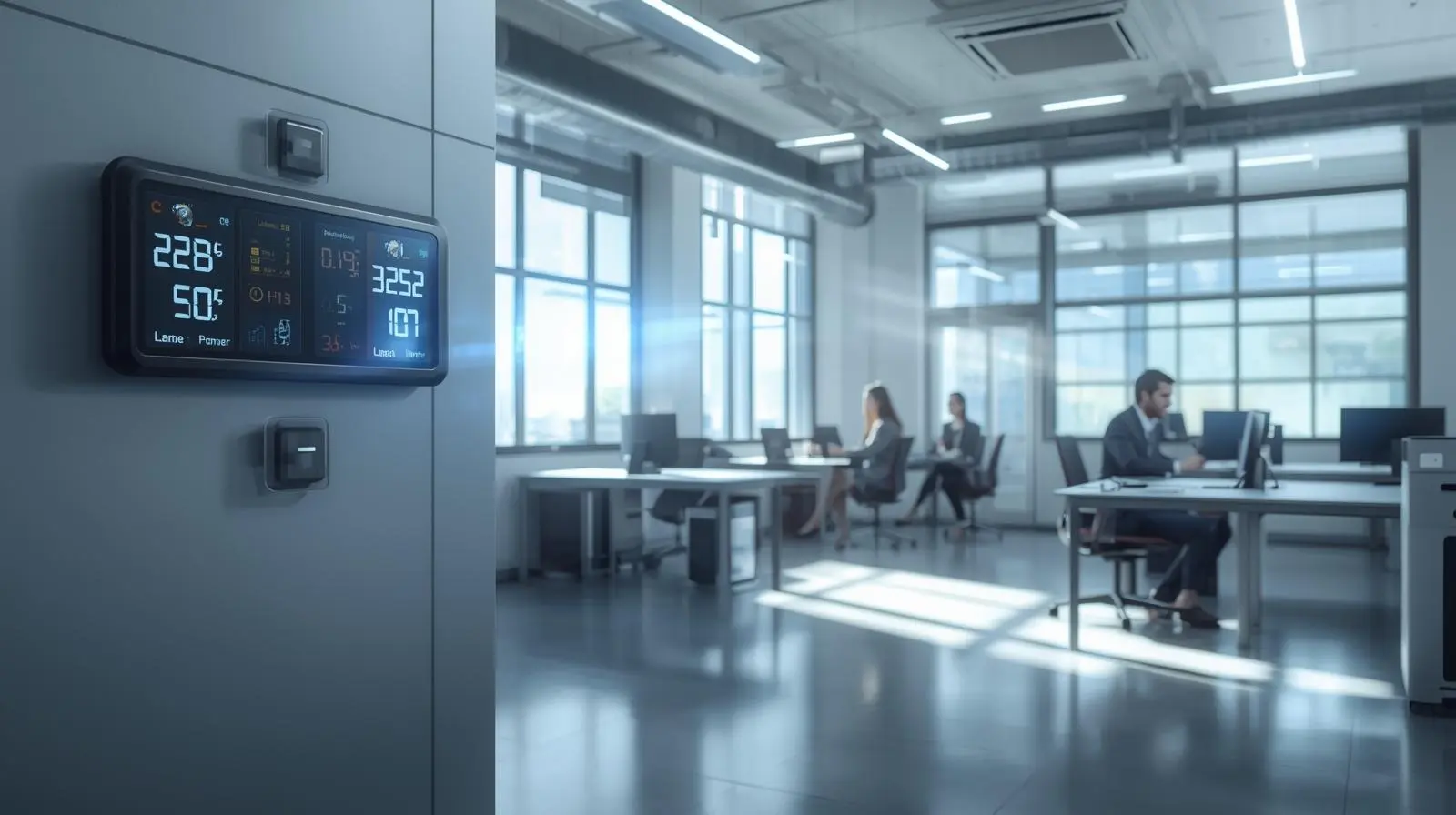
The Systematic Measurement of a Building's Internal Environment for Occupant Health & Comfort
Indoor air quality testing is the systematic measurement of a building's internal environment to assess the health and comfort of its occupants. It combines real-time field measurements (temperature, humidity, and CO₂) with precise laboratory analysis for complex contaminants like volatile organic compounds (VOCs), formaldehyde, and mold spores.
As an AIHA LAP accredited laboratory, AGT Labs partners with industrial hygienists and facility managers to provide the laboratory analysis portion of IAQ investigations. We supply specialized sampling media — such as SUMMA canisters for EPA TO-15 and DNPH cartridges for formaldehyde — and deliver certified results compared against ASHRAE, EPA, and LEED standards.
- Laboratory analysis of TO-15 VOCs, formaldehyde, and airborne mold spores
- Comparison against LEED v4, ASHRAE 62.1, and EPA guidelines
- Support for Sick Building Syndrome (SBS) investigations
- Post-construction material off-gassing assessments
- Sampling media and kits provided to field consultants at no charge
The 6 Core Parameters of Indoor Air Quality Testing
A comprehensive indoor air quality testing survey evaluates these six critical parameters to provide a complete picture of building health. IAQ assessment draws on several IH disciplines at once — VOC analysis, particulate measurement, microbiology and physical parameter monitoring — and our lab performs every one of these analytical methods in-house.
VOCs & TVOC
Volatile Organic Compounds off-gas from paints, carpets, furniture, and cleaning supplies. We analyze whole-air samples via EPA TO-15 (SUMMA canisters) to speciate 60+ individual VOCs down to ppb levels — identifying specific sources within the building envelope.
Carbon Dioxide (CO₂)
CO₂ is the primary indicator of ventilation efficiency in occupied buildings. High levels indicate inadequate fresh air intake, leading to occupant fatigue, reduced cognitive function, and "stuffy" air. Typically measured in the field using direct-read NDIR monitors or validated sampling tubes.
Mold & Bioaerosols
Airborne fungal spores indicate moisture intrusion or HVAC hygiene issues. We analyze Air-O-Cell spore traps for non-viable total spore counts by direct microscopy and culture plates for viable species identification — providing both quantitative and speciation data for remediation targeting. Not every biological hazard in a building is airborne at source — Legionella is inhaled as an aerosol but lives in the water system, so it is sampled from the water rather than the air.
Formaldehyde
A specific, highly irritating VOC found in pressed wood products, glues, and insulation. Because it is highly reactive, formaldehyde requires specialized DNPH-coated sorbent tube collection and HPLC analysis — separate from a standard EPA TO-15 scan and not captured by SUMMA canisters alone.
Particulate Matter (PM2.5 / PM10)
Fine dust and aerosols from outdoor pollution, copiers, or construction activities infiltrating the HVAC system. PM2.5 penetrates deep into the lungs and is linked to cardiorespiratory disease. Measured via real-time laser photometers in the field or gravimetric filter analysis in the lab.
Carbon Monoxide (CO)
An odorless, potentially deadly gas produced by incomplete combustion. Sources include vehicle exhaust entrainment into HVAC intakes, faulty furnaces, or improperly vented generators. Typically monitored via real-time electrochemical sensors in the field; AGT Labs can analyze passive CO badges when area-integrated data is required.
Standards Governing Indoor Air Quality Testing
Unlike industrial occupational settings governed strictly by OSHA, commercial and residential indoor air quality testing relies on consensus guidelines from ASHRAE, the EPA, and green building councils. When IAQ complaints involve chemical sources — new construction off-gassing, renovation solvents, or industrial emissions — our BTEX and VOC testing with EPA TO-15 canister analysis provides speciated identification of 60+ compounds.
Turnaround Times & IAQ Sampling Media
We supply consultants and facility teams with the necessary analytical media to conduct comprehensive indoor air quality testing.
IAQ Monitoring Isn't One-and-Done
Indoor air quality shifts with every renovation, seasonal HVAC change, new tenant fit-out, and Gulf Coast storm event — and LEED, WELL, and healthcare programs expect ongoing verification, not a single snapshot. Set up a recurring program or standing account and we'll hold your SUMMA canisters and media, schedule your rounds, and apply volume pricing across VOC, formaldehyde, and mold analysis.
IAQ Testing Kits & Media — Provided Free
- Certified SUMMA Canisters (1L and 6L) for whole-air VOC sampling — EPA TO-15
- Calibrated flow controllers for integrated 8–24 hour sampling
- DNPH cartridges for Formaldehyde (NIOSH 2016 / EPA TO-11A)
- Air-O-Cell spore trap cassettes for airborne mold counts
- Pre-weighed PVC filters for gravimetric particulate analysis
- Calibrated personal/area air sampling pumps (loaner)
- Pre-paid return shipping and Chain of Custody forms
How to Submit IAQ Samples
Request Media
Contact AGT Labs to request SUMMA canisters, flow controllers, DNPH cartridges, and specific sorbent tubes for your indoor air quality testing plan. Allow 5 business days for kit preparation.
Deploy in Field
Set up canisters or pumps in representative indoor zones. Ensure HVAC is operating normally to simulate typical occupant conditions. Position sampling points at breathing zone height (3–5 ft).
Ship to IH Lab
Close canister valves securely. Complete the COC with sampling locations and HVAC status. Ship via UPS or use our local Houston courier pickup service for same-day receipt.
Analysis at IH Lab
Samples undergo GC-MS (TO-15 VOCs), HPLC (Formaldehyde), or direct microscopy (Mold) in our AIHA LAP accredited Houston facility. All analysis in-house — no send-outs.
IAQ Report Delivered
Certified results including concentration data, method detection limits, comparison to LEED v4, ASHRAE 62.1, and EPA guidelines. AIHA LAP accreditation number on every report.
Facilities Requiring Indoor Air Quality Testing
Commercial Office Buildings
Investigating tenant complaints, "stuffy air" reports, and Sick Building Syndrome symptoms by verifying HVAC ventilation rates and analyzing for VOC off-gassing from office furniture or recent renovations. Common in Houston's Energy Corridor, Galleria, and downtown high-rises where densely occupied floors strain air exchange capacity.
Healthcare Facilities & Hospitals
Protecting vulnerable patients by ensuring strict indoor air quality testing compliance, verifying cleanroom particle counts, and monitoring for anesthetic gases or sterilization chemicals (like ethylene oxide) in the ambient air. Healthcare water systems and cooling towers are also a standing Legionella risk, which is why most hospital facility teams run a water management programme alongside their IAQ work. The Texas Medical Center — the world's largest medical complex — demands rigorous IAQ standards for patient safety and accreditation.
Schools & Universities
Assessing classroom CO₂ levels to ensure optimal learning environments, testing for legacy hazards (like asbestos or lead dust from older building materials), and performing mold testing after plumbing leaks or storm water intrusion. Houston ISD — Texas's largest school district — and area universities require routine indoor air quality testing to support facility management programs. Schools, hospitals, and commercial buildings undergoing renovation may need concurrent asbestos testing and lead testing to ensure that demolition activities are not introducing regulated fibers and particles into occupied spaces.
Indoor Air Quality Testing — FAQ
What is Indoor Air Quality (IAQ) testing?
When should I conduct indoor air quality testing?
What are the acceptable levels for CO2 in an office building?
Does AGT Labs provide testing for LEED v4 IAQ certification?
How are VOCs tested in an indoor environment?
What media is required for formaldehyde testing?
What turnaround times do you offer for IAQ laboratory analysis?
Can AGT Labs supply sampling equipment for IAQ investigations?
Is AGT Labs accredited for indoor air quality testing?
Does an indoor air quality investigation cover Legionella?
Indoor Air Quality Testing Lab Serving Houston's Commercial, Medical, and Educational Sectors
AGT Labs is located at 10200 East Freeway, Suite 101, Houston TX 77029. All EPA TO-15 GC-MS, NIOSH 2016 HPLC, and mold spore analysis is performed in-house. No send-outs. Samples received before 2:00 PM CST logged same day.
LEED v4 Limit
LEED v4 Limit
Emergency IAQ
10200 E. Freeway
Need an Accredited IH Lab for Indoor Air Quality Testing?
ISO/IEC 17025 · AIHA LAP (LAP-101470, IHLAP + EMLAP) · EPA TO-15 · Formaldehyde HPLC · Mold Spores · Rush TAT Available · Houston TX. Ask about recurring monitoring programs and volume pricing for ongoing LEED/WELL verification, post-renovation clearance, and seasonal HVAC surveys.